
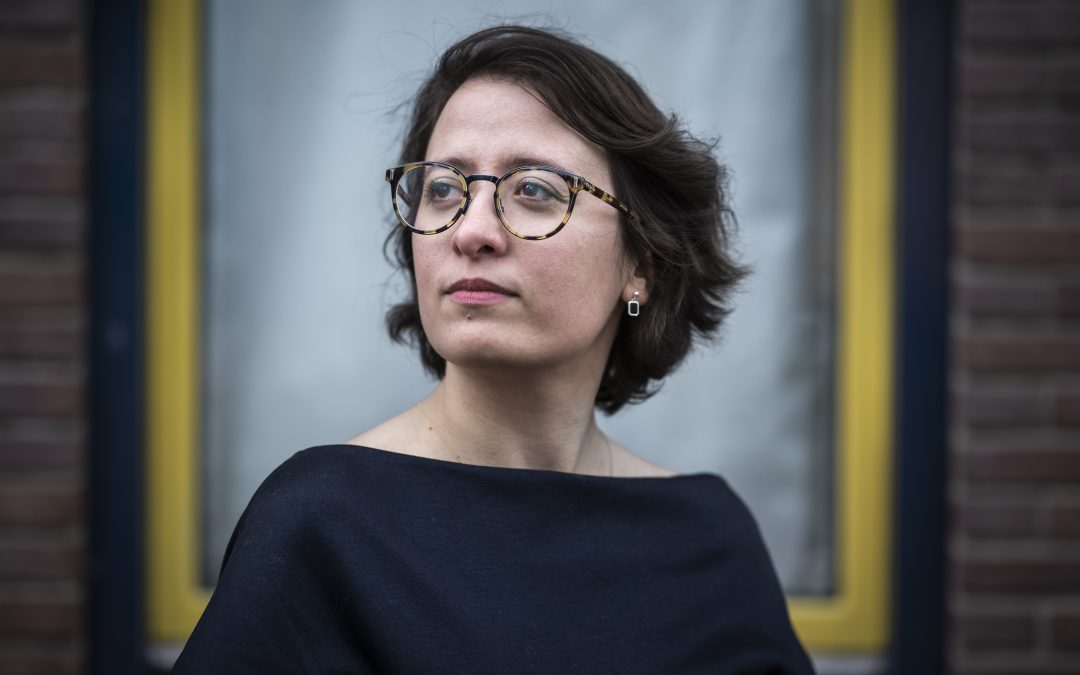
Researcher Spotlight: Dr. Elizaveta Gaufman
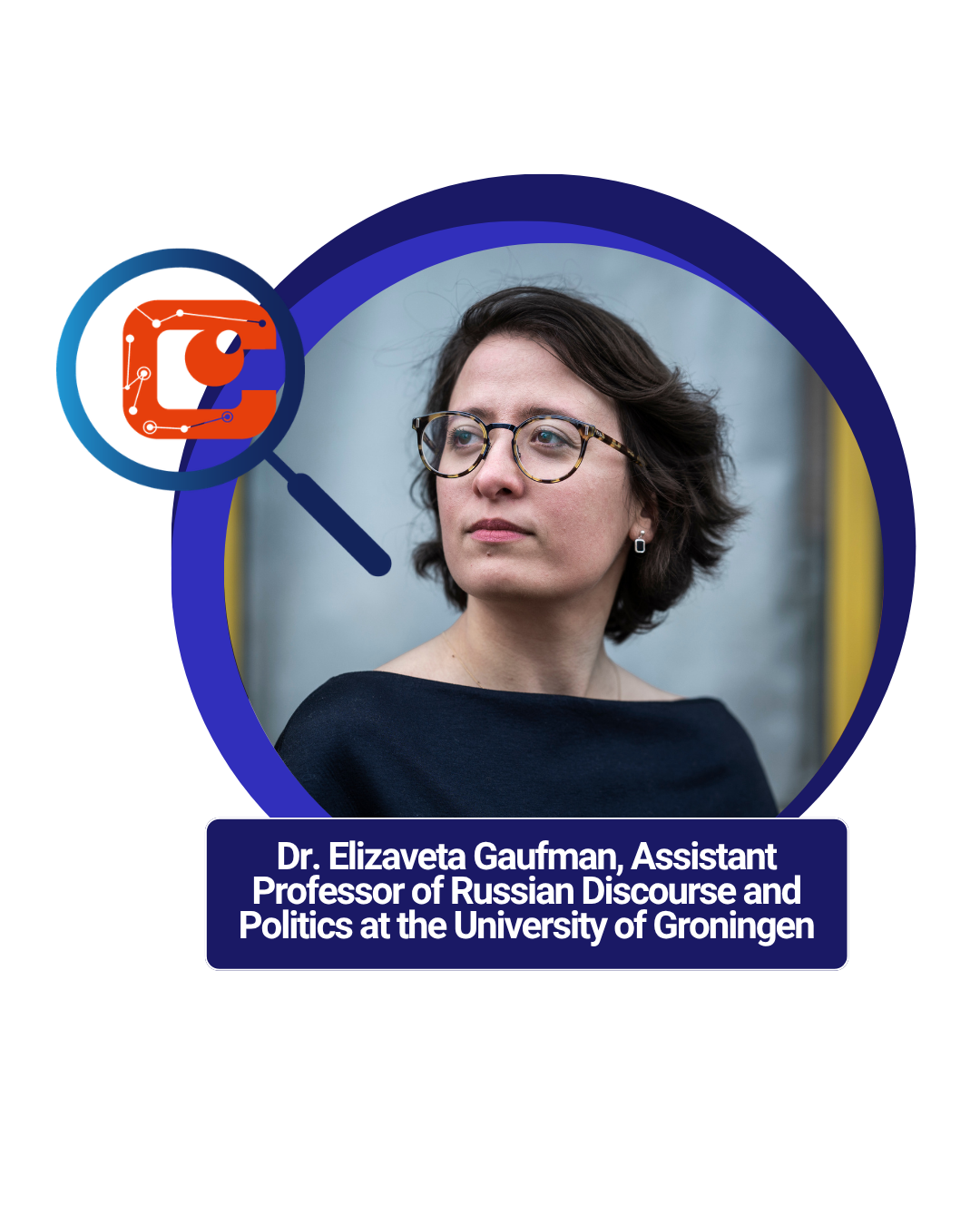
Dr. Elizaveta (Lisa) Gaufman is an Assistant Professor in the Research Centre for the Study of Democratic Cultures and Politics at the University of Groningen. Her research is situated at the intersection of political theory, international relations, media, and cultural studies. She is the author of the books “Security Threats and Public Perception” (Palgrave 2017) and “Everyday Foreign Policy” (Manchester University Press, 2023). Her latest book co-authored with Bharath Ganesh is called “The Trump Carnival: Populism, Transgression and the Far-Right” (DeGruyter 2024).
Dr. Gaufman’s work within the DE-CONSPIRATOR project focuses on understanding how foreign actors (particularly Russia) use information to influence public opinion and political discourse. She contributes by analysing the narratives, communication strategies, and political messaging that underpin these efforts, mapping the tactics, techniques and procedures based on primary sources in the Russian language, as well as classification and analysis in German, French and Dutch.
A central aspect of her role is contribution to the content classification within European media ecosystems. She helps identify the themes, language, and storytelling techniques used to shape perceptions, create division, or undermine trust in democratic institutions. This involves looking not just at the content itself, but also at how it is tailored to different audiences and contexts. In the content classification deliverable, she contributes to identifying and categorising types of manipulative content, helping develop frameworks to systematically detect, interpret, and compare foreign and domestic information manipulation strategies across contexts. Within the broader interdisciplinary framework of DE-CONSPIRATOR, her research feeds into mapping how disinformation spreads across networks and identifying the most impactful cases of interference.
When asked to share a memorable anecdote from the project, one story immediately stood out: “It is very despairing to analyse the kind of content that we’re working with. For instance, when we were mapping the alternative media ecosystems in Europe we had to deal with a lot of very racist, misogynist and homophobic posts and visuals. You really get frustrated because you realise that there’s a lot of very harmful information that actual people believe in. So we have developed different coping strategies to deal with the stress and the malignant content of our data sets. More often than not it’s really dark humour, otherwise there is no way that you can deal with this type of stuff. It’s really wonderful to be able to work within a supportive team that can commiserate with your anger, sadness and stupid jokes.”